Play
7 MINUTES READ
Rainy day activities
and the memories they make.
Rain cancels the park, not the day. Here are 20 easy indoor activities for toddlers and young children, almost all with things you already have at home. Each one comes with a small piece of history to share, and a line worth writing down afterwards, because the rainy days are often the ones you remember.
20 easy indoor activities
No special kit and no screens. Pick one, and let it run as long as they are having fun.
-
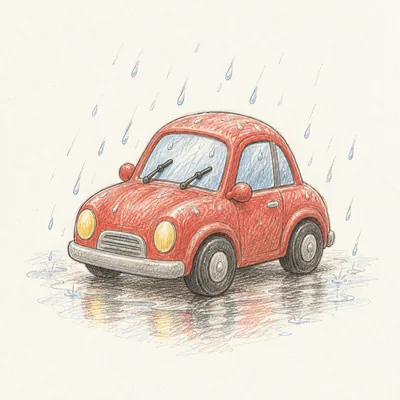
rain watching 01 Watch the rain together
Sit by a window or in the car and watch the drops race. Name the sounds: tapping, drumming, dripping.
Did you know? Windscreen wipers were invented so drivers could see through the rain.
Worth a line: What did they say about the rain?
-
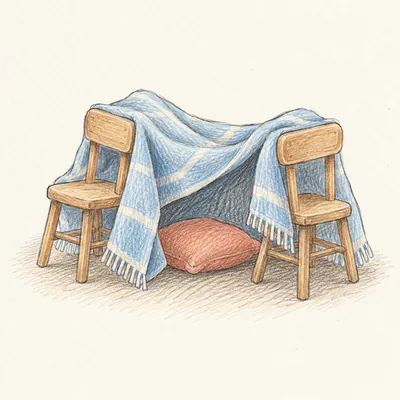
blanket fort 02 Build a blanket fort
Two chairs, one blanket, a cushion inside. Add a torch and it becomes a cave.
Did you know? A blanket can be a tent, a cape or a toy's bed, sometimes all in one afternoon.
Worth a line: Who was allowed in the fort, and who was not?
-
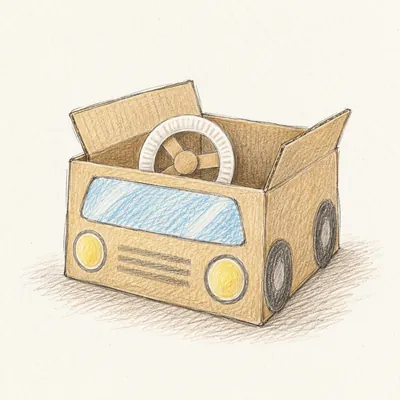
the box 03 Turn a box into anything
A delivery box becomes a car, a house or a boat. Draw a window, add a paper-plate steering wheel.
Did you know? An empty box is one of the oldest toys there is: it can be whatever a child decides.
Worth a line: What did the box become today?
-
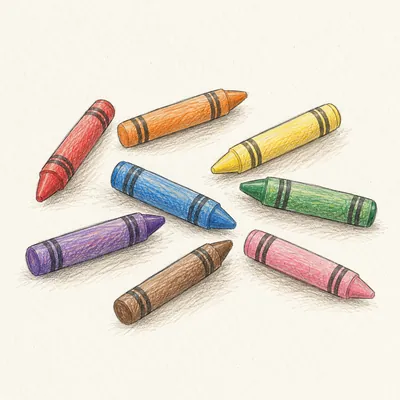
colours 04 Draw with crayons
A big sheet of paper on the floor, taped down, and a few crayons. No plan needed.
Did you know? The first Crayola box, in 1903, had eight colours.
Worth a line: Which colour did they reach for first?
-
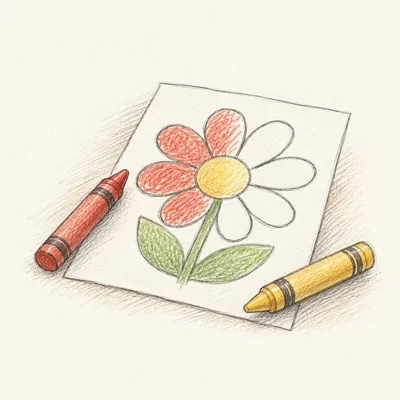
my colours 05 Colour a page together
Print a simple colouring page or draw a big outline yourself, then take turns.
Did you know? A colouring outline can be followed, ignored or coloured in completely new ways.
Worth a line: What did they say about their picture?
-
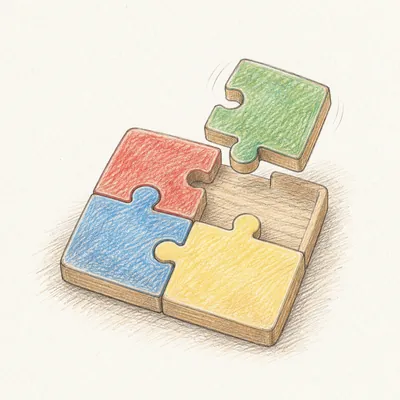
the last piece 06 Do a jigsaw
A few big wooden pieces for toddlers, more for older children. Let them find the last piece.
Did you know? The first jigsaw puzzle was a map, cut into pieces to teach geography.
Worth a line: Who put in the last piece?
-
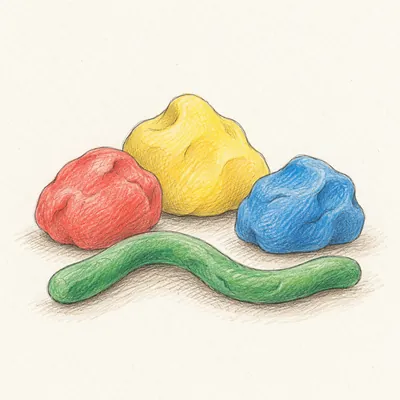
squish 07 Squish some modelling dough
Roll snakes, flatten pancakes, make a pretend meal. Squash it and start again.
Did you know? Modelling dough can be shaped again and again, which is half the fun.
Worth a line: What did they make, and what did they call it?
-
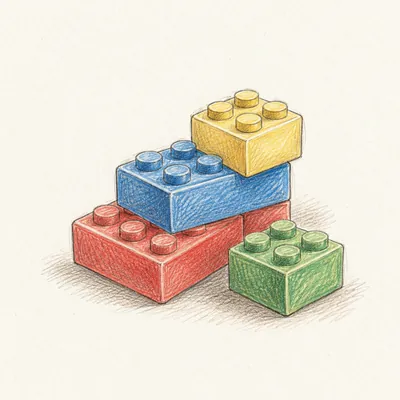
click 08 Build with bricks
A tower, a wall, a car with too many wheels. Build one together, then let them knock it down.
Did you know? LEGO bricks made decades ago still click onto today's bricks.
Worth a line: What did you build together?
-
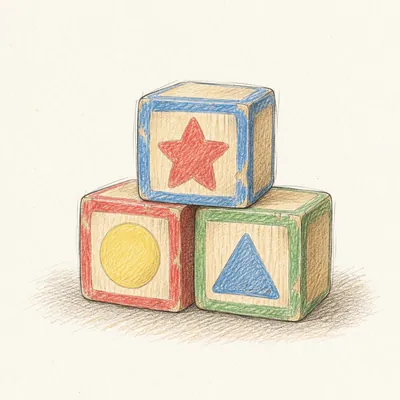
stack it 09 Stack blocks into a tower
How high can it go before it falls? Count the blocks together.
Did you know? Alphabet blocks have put letters into children's play for generations.
Worth a line: How tall was the tower before it fell?
-
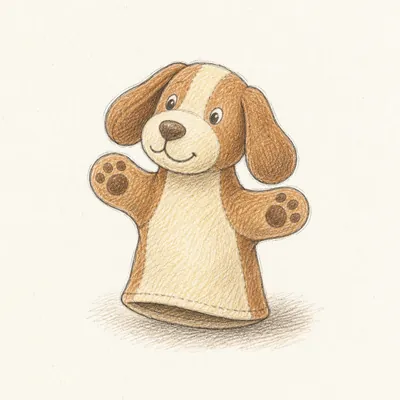
a new voice 10 Make a sock puppet
An old sock, two buttons or drawn-on eyes, and a new voice in the house.
Did you know? A puppet can be as simple as a sock on a hand.
Worth a line: What was the puppet called, and what did it say?
-
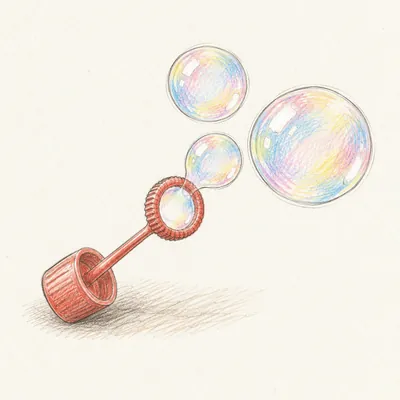
pop 11 Blow bubbles in the kitchen or the bath
Bubbles indoors are fine on a hard floor or in the bath. Try to catch one.
Did you know? Soap bubbles show changing colours as they float.
Worth a line: How did they try to catch them?
-
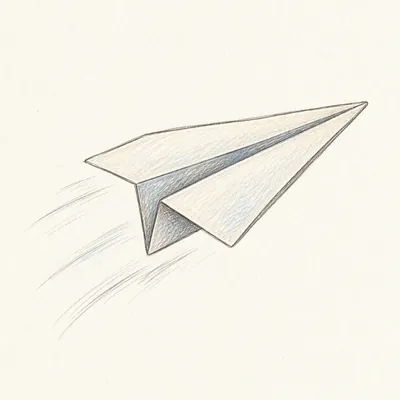
test flight 12 Fold paper planes
Fold a simple plane each and fly them down the hallway. Measure whose went furthest.
Did you know? A few folds are all it takes to turn paper into a plane.
Worth a line: Where did their plane land?
-
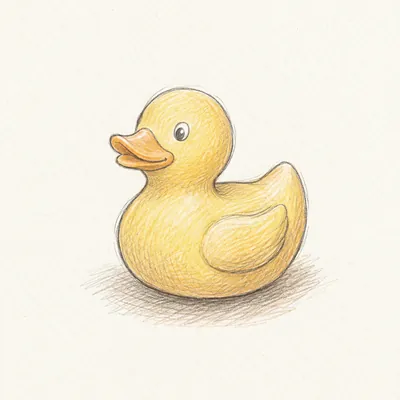
bath time 13 Have a bath-time adventure
A rubber duck rescue, a boat race, or a cup of water poured again and again.
Did you know? A bath toy can float, squeak, or become the hero of a story.
Worth a line: What was the bath-time story?
-
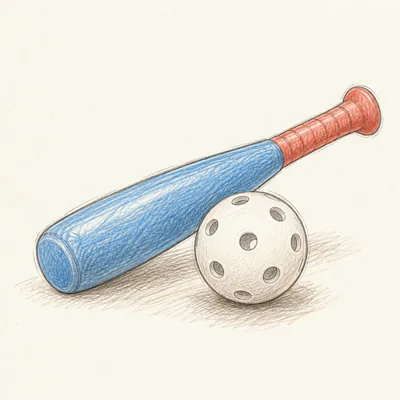
a light ball 14 Play indoor ball
A soft or light ball, a hallway, and simple rules you make up together.
Did you know? A lightweight ball turns any room into a games room.
Worth a line: What rule did they invent?
-
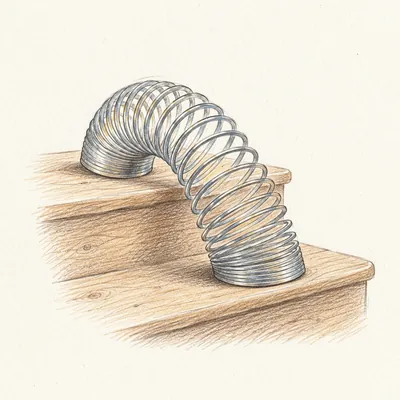
it walks 15 Walk a spring toy down the stairs
A coiled spring toy walking down steps never stops being magic.
Did you know? A spring toy can walk down stairs on its own as it stretches and gathers.
Worth a line: What did they think made it move?
-
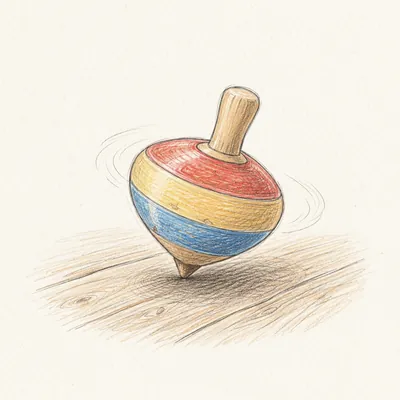
spin 16 Spin a top
Spin it on the kitchen table and see how long it lasts. Take turns.
Did you know? People have played with spinning tops for thousands of years.
Worth a line: How long did their best spin last?
-
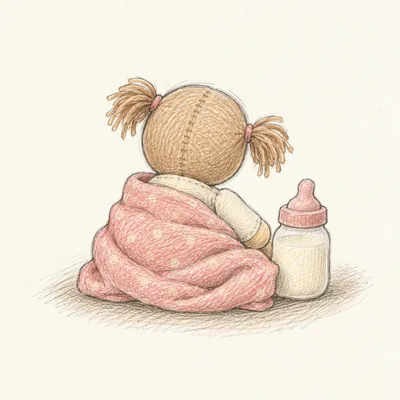
taking care 17 Look after a doll or teddy
Feed it, tuck it in, take its temperature. Children love to care for someone smaller.
Did you know? Dolls and soft toys have been part of children's play for generations.
Worth a line: How did they look after their toy?
-
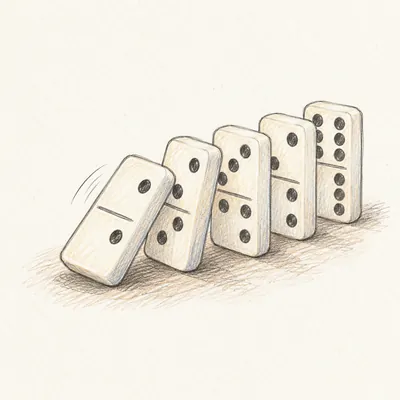
one push 18 Line up dominoes
Set a short line (with help) and push the first one. Then do it again, longer.
Did you know? Dominoes can be a game, a pattern, or a chain that falls with one push.
Worth a line: Who got to push the first one?
-
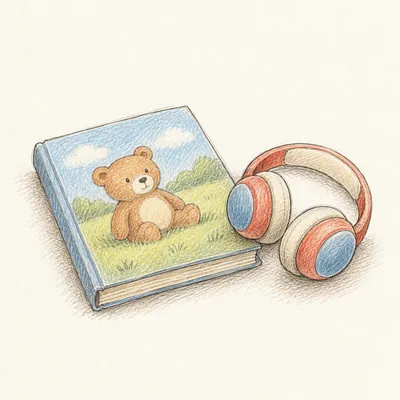
a story to hear 19 Listen to a story
An audiobook, a story you tell from memory, or a favourite picture book read in silly voices.
Did you know? Talking books share stories through a recorded voice.
Worth a line: Which story did they ask for again?
-
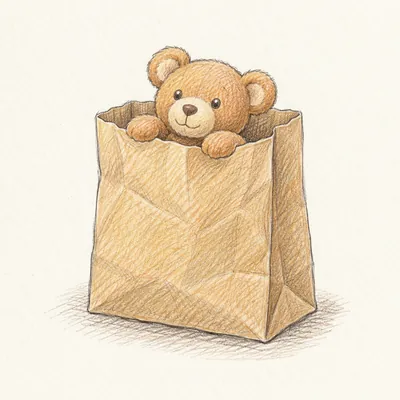
what's inside 20 Decorate a paper bag
A paper bag becomes a puppet, a treasure bag or a hat. Add stickers and drawings.
Did you know? A clever folding design gave paper bags their flat base.
Worth a line: What did they keep inside it?
A quick note on safety
Stay close during play, especially with water, small pieces and anything that could go in a mouth. Keep small items such as dominoes and small puzzle pieces away from children under three.
Make the rainy day worth remembering
The day does not need to be special to be worth keeping. One line in the evening, about the fort, the puppet's name or the plane that flew furthest, is enough. In a few years it will bring back the whole afternoon.
Looking for more ideas of what to write? Try toddler journal ideas.
Built a fort under the table. She said only people with socks could come in, then let the dog in anyway.
A little wonder, most days.
In One Little Line, ideas like these arrive as small "Little Wonders": a picture, a piece of history, and a gentle question about your child. You write one line, and at the end of every month your memories become a letter you can read back.
Questions parents ask
What can toddlers do indoors on a rainy day?
Simple, open-ended play works best: a blanket fort, a cardboard box to turn into a car, modelling dough, stacking blocks, bubbles in the bath, or a sock puppet. Most need nothing you do not already have at home.
How do you entertain a 2-year-old on a rainy day without screens?
Mix one active game, such as indoor ball or a paper plane race, with one calm one, such as drawing, a jigsaw or a story. Let them lead: toddlers often play longest with the simplest things.
What are easy rainy day activities with no preparation?
Watching the rain together, building a blanket fort, stacking blocks into a tower, drawing with crayons, or telling a story with silly voices all take less than a minute to start.